Research in Computing Science, Year 25, Volume 155, No. 5, May 2026

























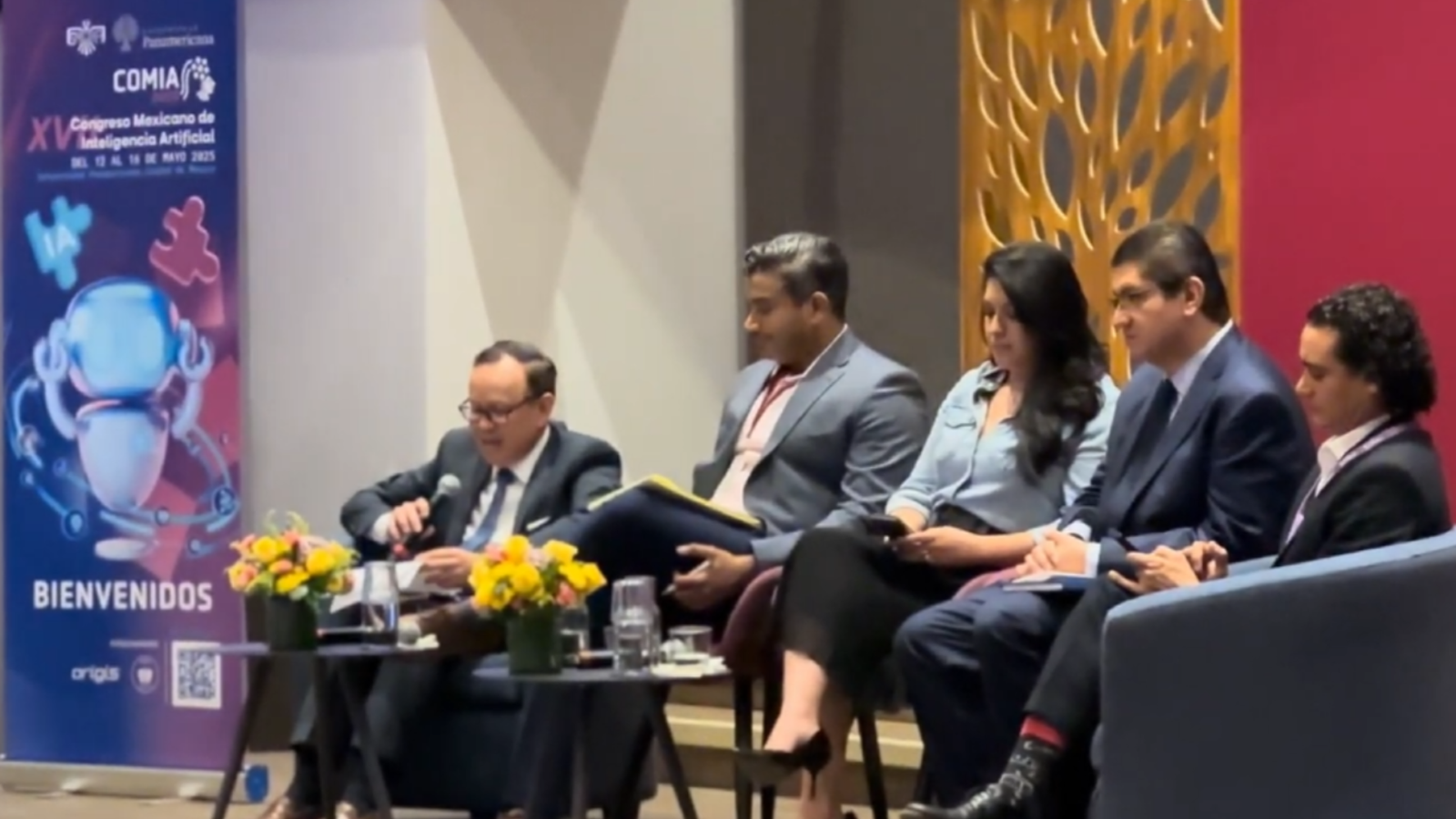
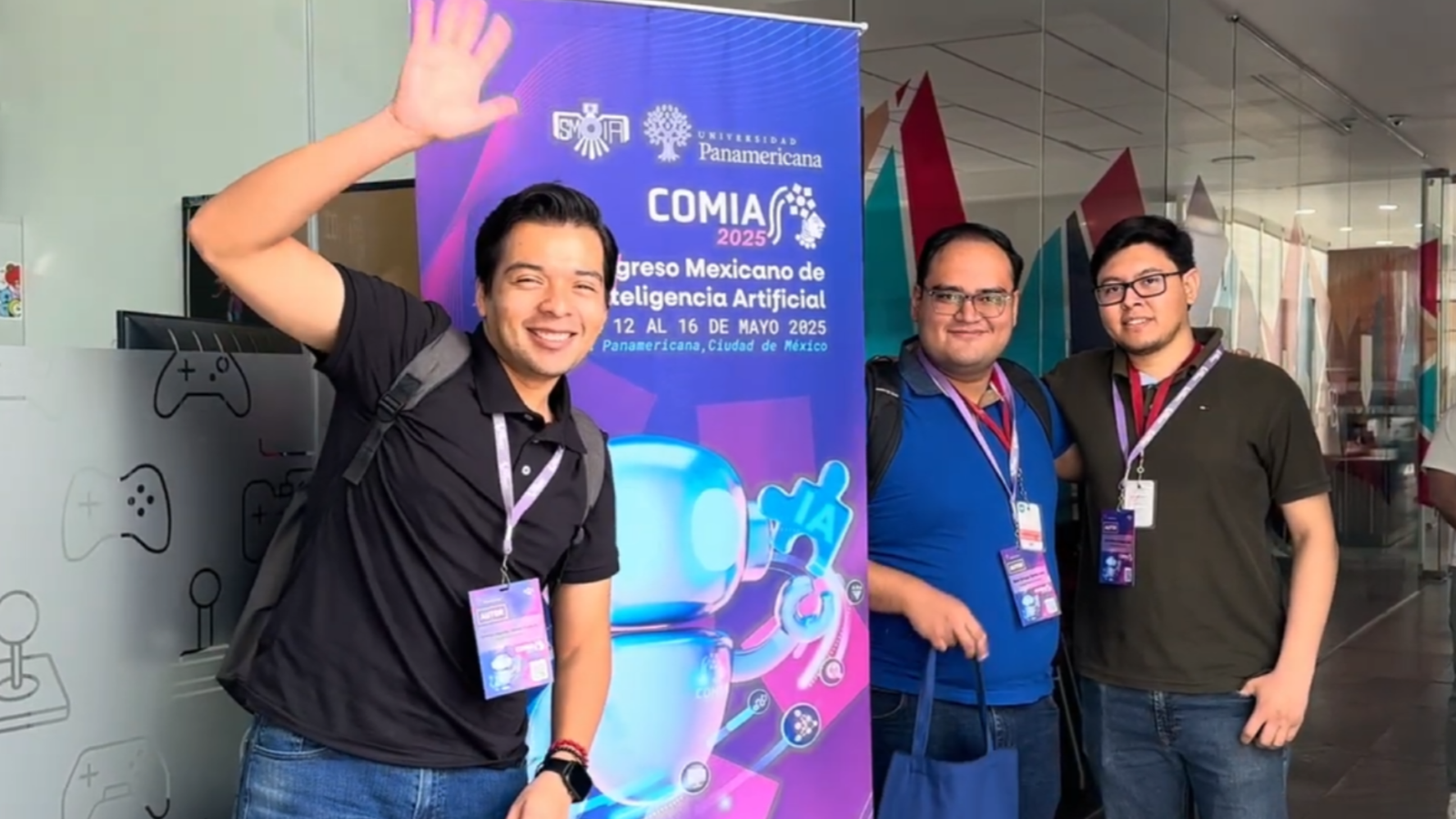
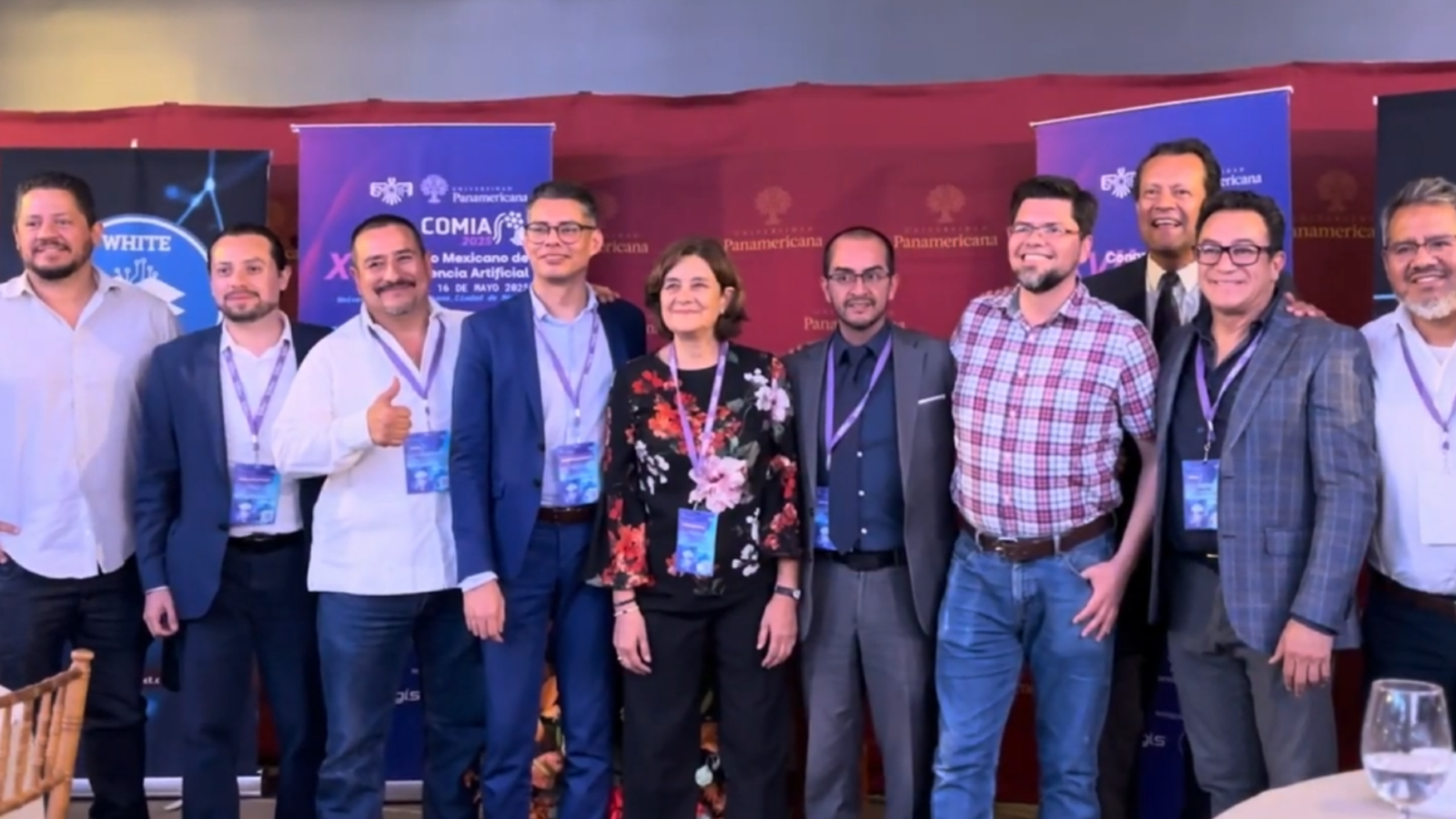
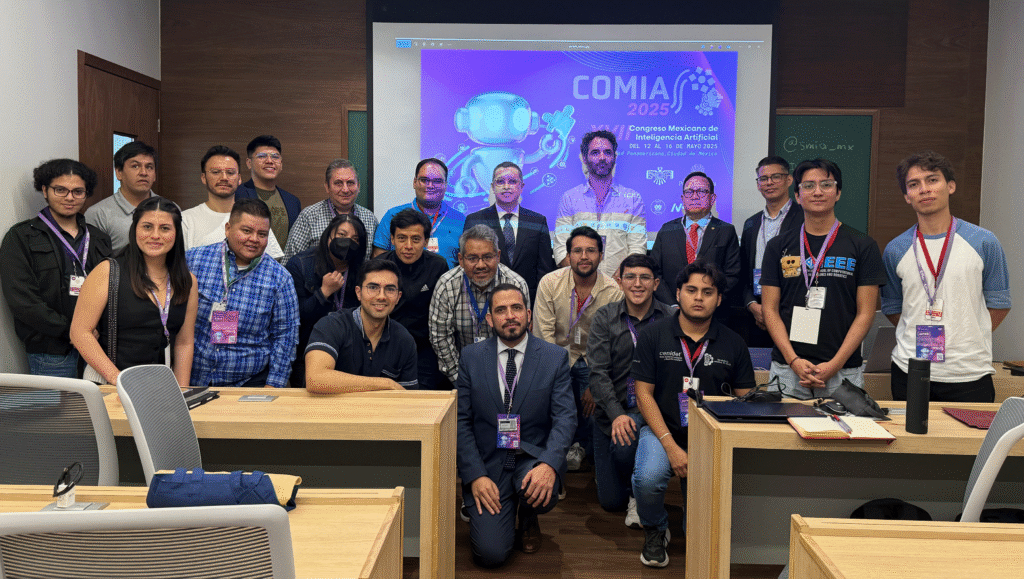
The Mexican Congress of Artificial Intelligence (COMIA), organized by the Mexican Society of Artificial Intelligence (SMIA), invites researchers, developers and professionals to meet at the leading event of IA in Mexico, a space to connect, share knowledge and apply artificial intelligence to transform the country.
Researchers, teachers, students and technology industry professionals interested in learning, sharing knowledge and participating in the artificial intelligence ecosystem in Mexico.
He knows the most recent advances in IA, connects with national and international specialists and generates collaborations that strengthen the link between academia, industry and society.
Master conferences, workshops, panels, competences and industry talks in an interdisciplinary space to analyse the current and future challenges of artificial intelligence.
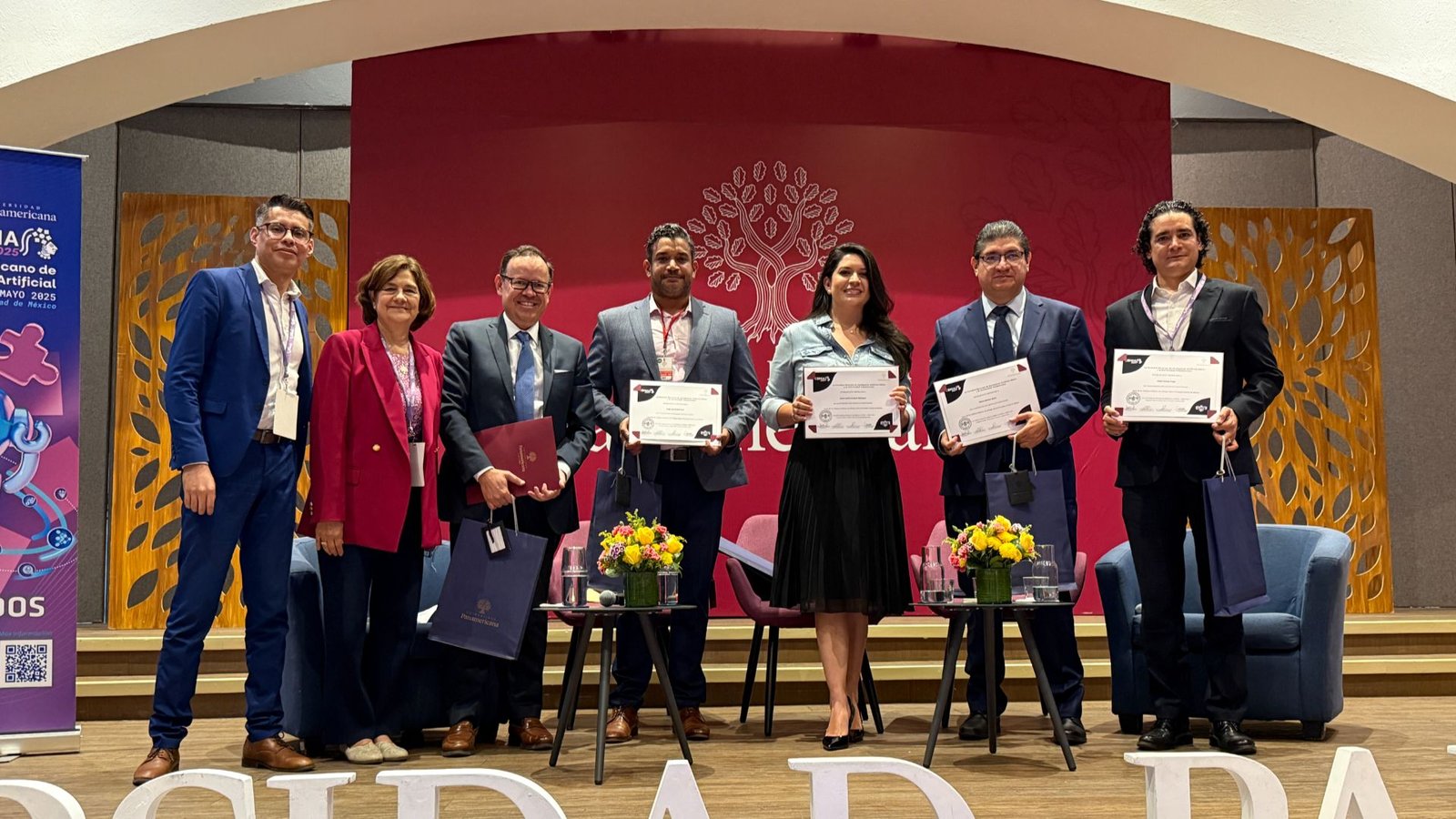
The best-evaluated works will be awarded during the Gala Dinner in the categories: Best Article Award | Best Student Article Award | Best Poster Award
Summary:
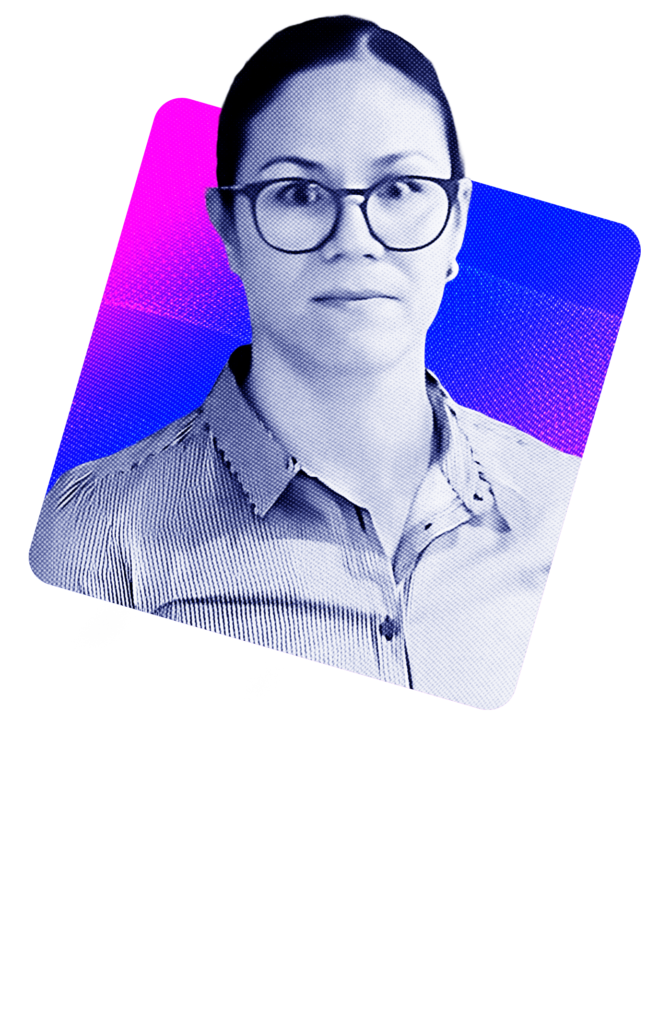
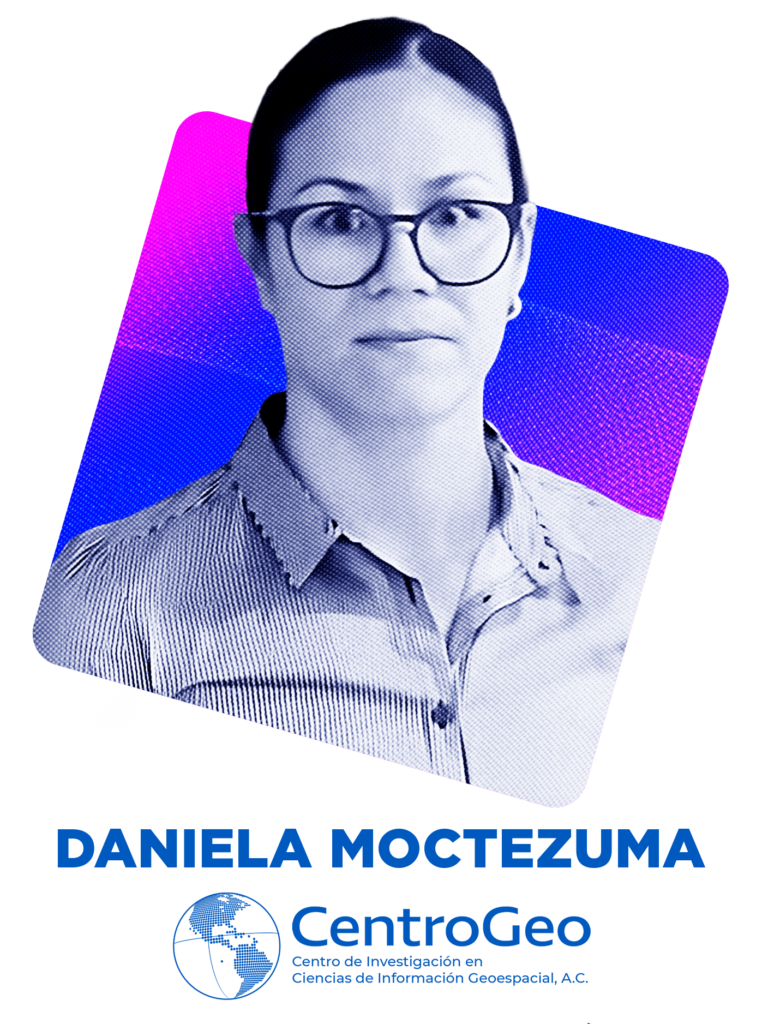
The image captioning consists of describing the content of an image by processing the natural language. Therefore, as in any computer intelligence task, performance metrics are crucial to determine the performance of a method. In this sense, classical metrics based mainly on lexic components have been proposed, but more new metrics are currently proposed based on semantic meanings. In this talk, we will analyze the performance of these metrics in a series of experiments carried out with standard data sets in order to determine whether the community is achieving good results with current metrics or whether new ones are needed. In addition, a proposal will be mentioned that seeks to improve the current assessment metrics.
Biography:
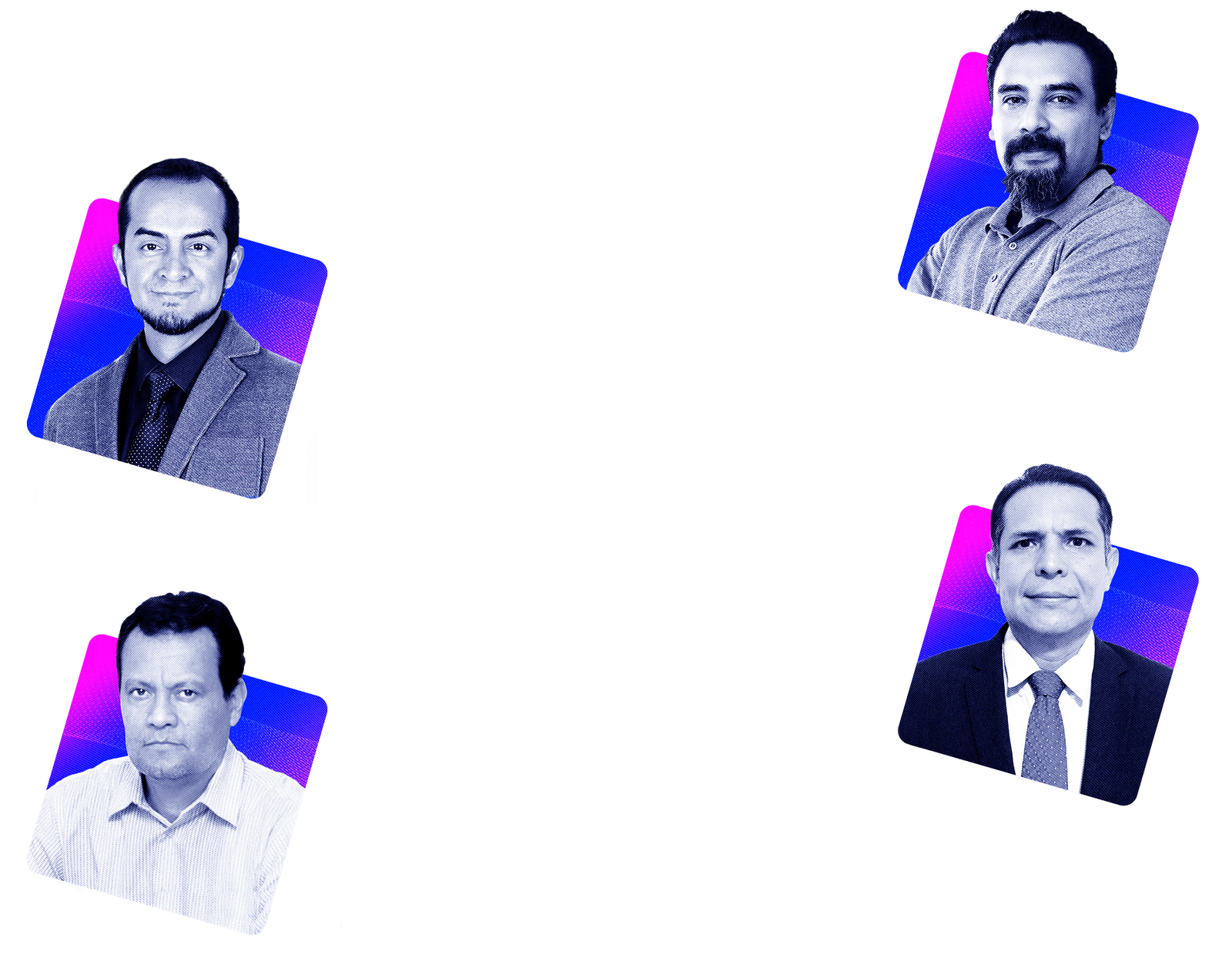
Daniela Moctezuma received her doctorate in Information Technologies and IT systems from the Rey Juan Carlos University (Spain). She is currently a professor-researcher at the Center for Research in Geospatial Information Sciences (CentroGEO). She is also the academic coordinator of the Headquarters of Aguascalientes in Central Europe. In 2024 she was awarded the award of young talent in computing by the Mexican Academy of Computing. It belongs to the SNI with level 1, and its main research lines are data science, automatic learning, text classification, remote perception, vision and language, and intelligent video surveillance systems. It has led and collaborated on a number of basic science and solutions projects in some public and government institutions.
Summary:
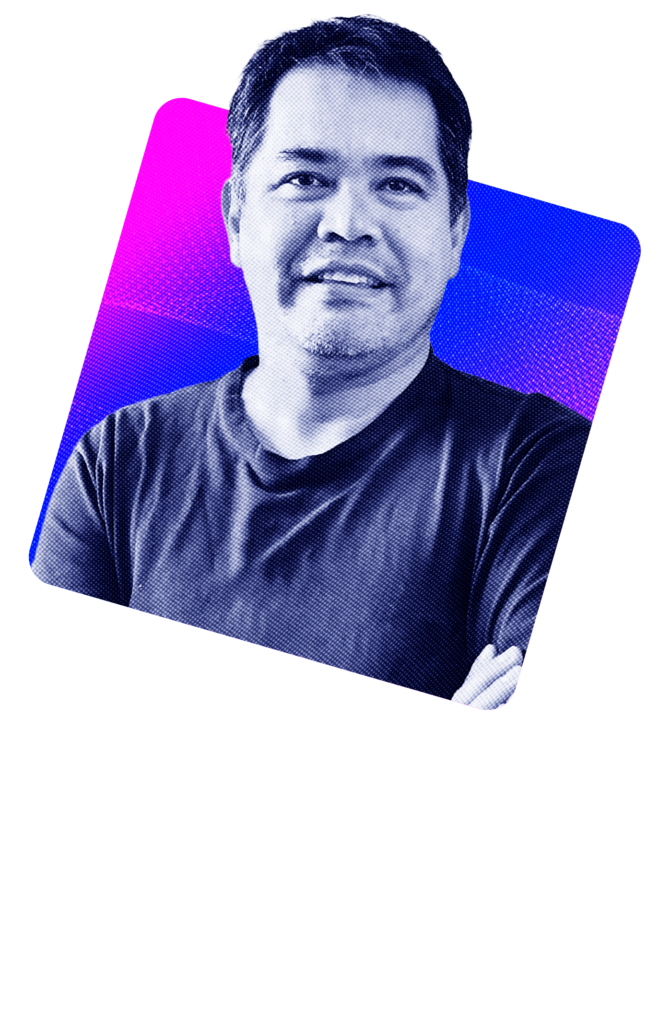
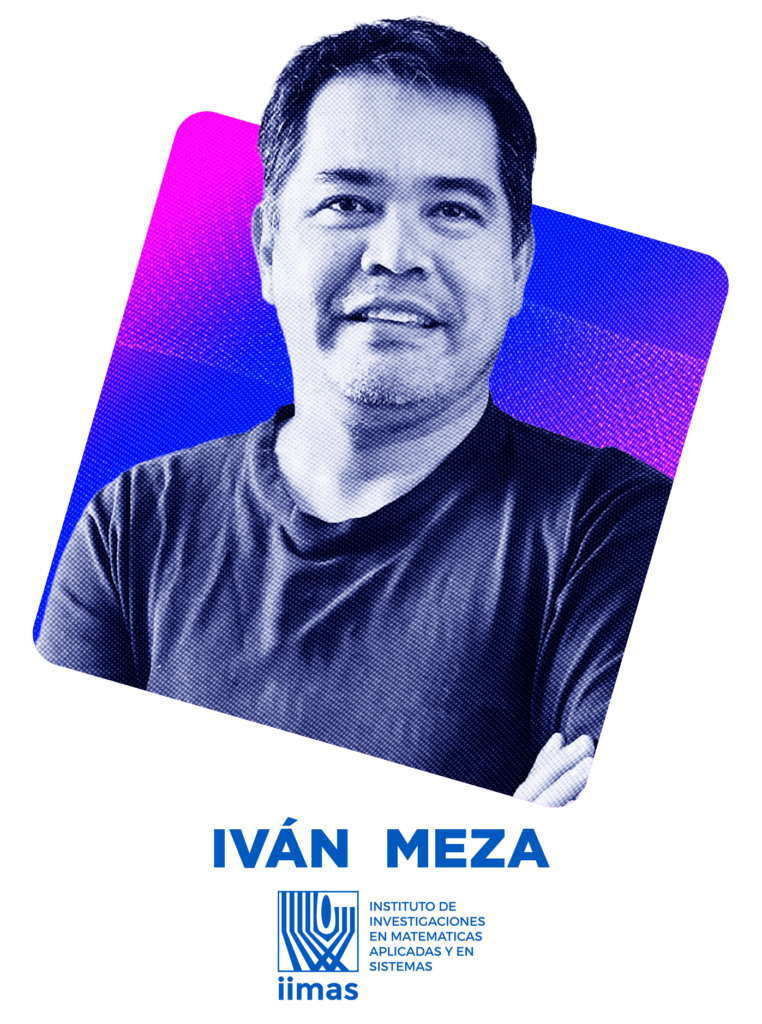
The languages originating in Mexico are the heritage of the culture of our society. However, different social and historical circumstances have kept them in situations of discrimination and even disappearance. In this discussion we present some projects and research lines based on the application of Artificial Intelligence to help slow the trend and, in some cases, to reverse it, such as the creation of automatic voice translators.
Biography:
Ivan Vladimir Meza is an associate researcher at the Institute of Research in Applied Mathematics and Systems of UNAM. Computer engineer at UNAM, teacher and doctor at the University of Edinburgh. Specialized in the intersection between human language and computation, using artificial intelligence and deep learning techniques. He has participated in more than twenty research projects; he is the author of more than a hundred articles in the field and has been rapporteur in different national and international forums. Program chair of NAACL 2022 and NeurIPS 2025, at the headquarters of Mexico City. Member of the National Research System of Mexico
Summary:
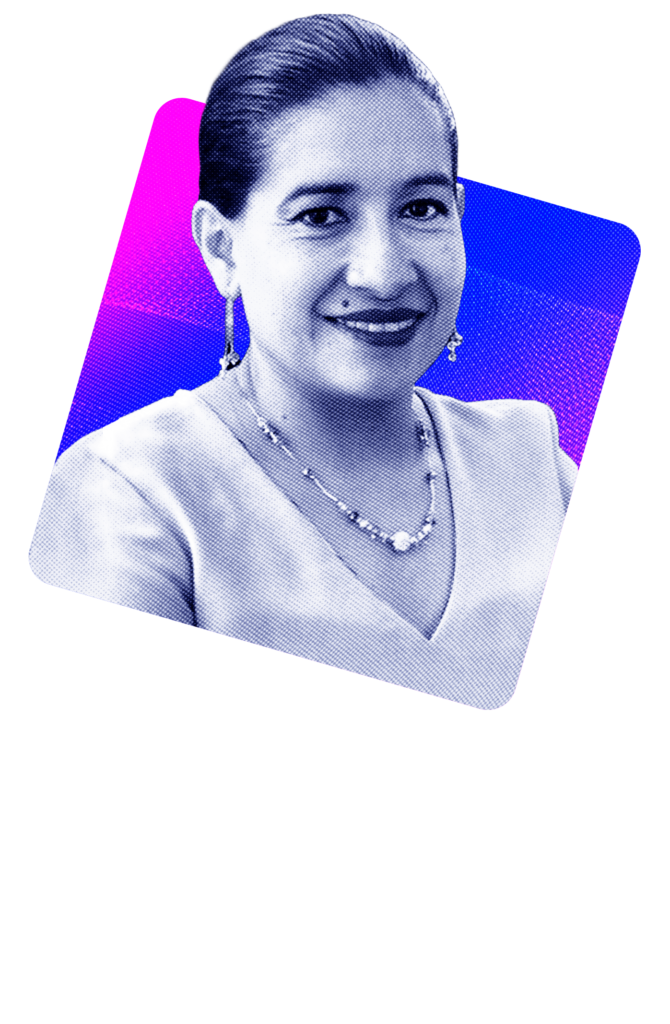
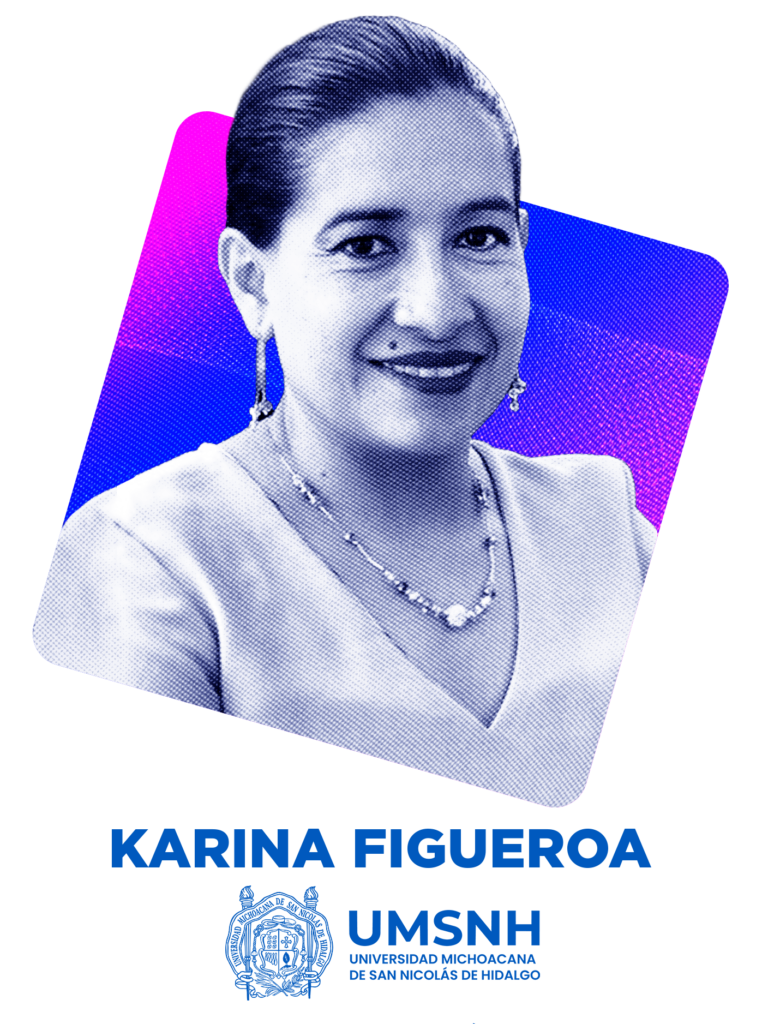
Information recovery has undergone a profound transformation from the first search engines based on key word coincidences to the current systems driven by artificial intelligence. This talk will address the conceptual and technological evolution of information recovery models, highlighting how advances in automatic learning, natural language processing and large-scale models have changed the way systems interpret, organize and present the knowledge available in digital environments.
From this transition, the main contemporary challenges of the area will be discussed, including the semantic understanding of consultations, the management of large volumes of heterogeneous data, the assessment of relevance in dynamic contexts, as well as the challenges associated with reliability, transparency and bias in intelligent systems.
Finally, the conference will propose a forward-looking view on the future of information recovery, highlighting opportunities for interdisciplinary research and the impact these technologies have on areas such as science, education and data-based decision-making. This talk seeks to offer an integral perspective that connects the classic foundations of the field with the current trends driven by artificial intelligence.
Biography:
Dr. Karina Figueroa is a PhD in Science, a computer mention from the University of Chile. She is currently a teacher and researcher at the Faculty of Physical-Mathematical Sciences at the Michoacana University of San Nicolás de Hidalgo. Its main research lines focus on the design and analysis of algorithms to solve search problems, with emphasis on Information Recovery, where it has various scientific publications.
He is a member of the National Research System (SNI) Level 1, attached to Area 8, and is active in various academic organizations. He is a regular member and secretary of the board of directors of the Mexican Academy of Computing, as well as a founding member of the Women's Group in Computing of the Academy. It has promoted the development of computing in Mexico from different fronts, highlighting its work as president of the Mexican Society of Computer Science in the period 2021-2023.
She currently serves as the Chief Editor of Komputer Sapiens, an outreach magazine specialized in Artificial Intelligence, sponsored by the Mexican Society of Artificial Intelligence and recognized by the SECIHTI. It also works with the company Amphora Health, which focuses on the analysis of medical data through data science.
Convinced that education is the fundamental engine for transforming a society, the Figueroa combines its passion for research with a firm commitment to the formation of new generations in the area of computing.
Summary:
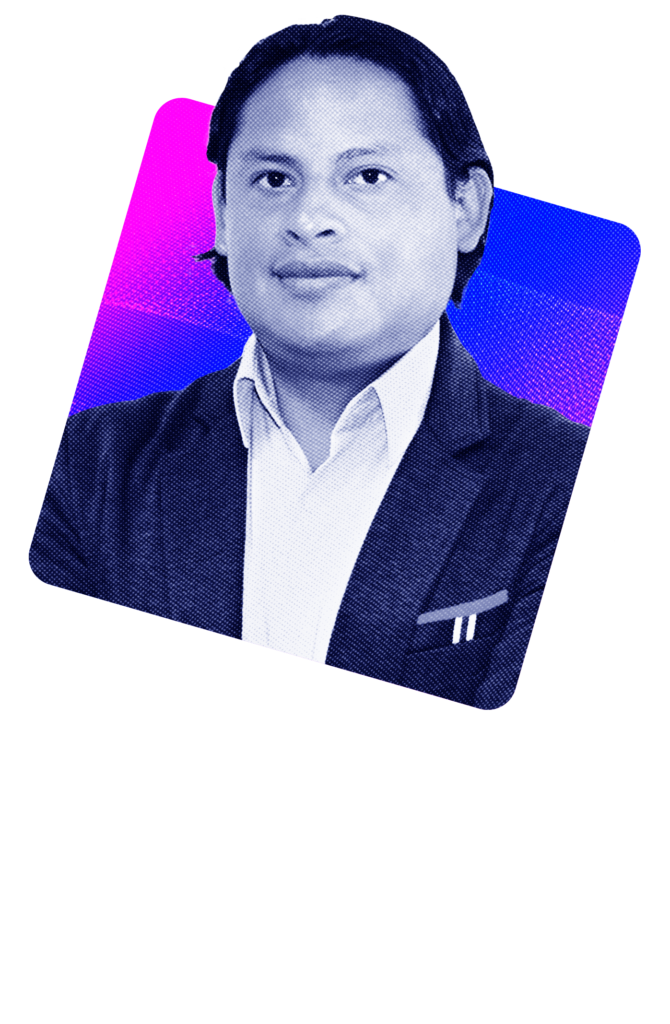
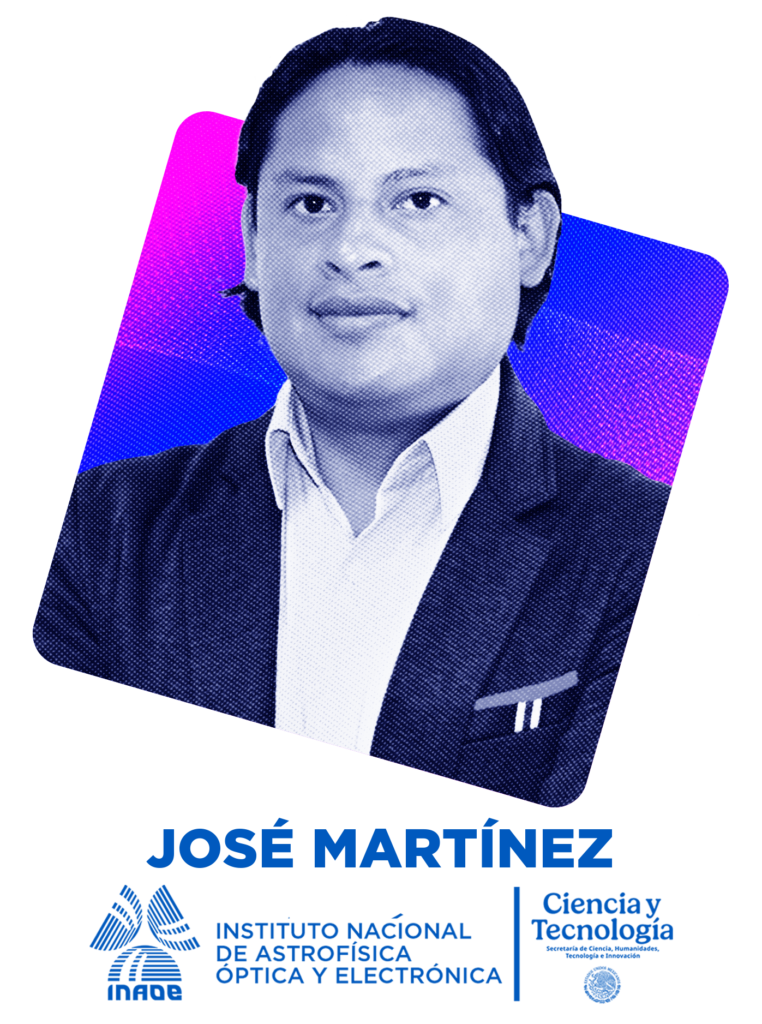
This talk presents advances in the development of autonomous drones with special emphasis on the mechanisms of perception that can allow an air robot to navigate in adverse scenarios where traditional visual algorithms can decrease their performance. To address this problem, some methodological proposals based on deep learning are discussed, applied to data obtained from thermal cameras, near infrared technology, as well as hearing perception through the use of microphones, which can allow perception in low-lighting environments, in the presence of smoke or rain. Scenarios will be discussed in real environments where navigation requires robust mechanisms of perception in the face of GPS loss or when, due to hardware and payload limitations, a minimum number of sensors are available, for which, techniques of depth extraction in a single image and of motion interpretation in the image can be effective in estimating the degree of movement of the drone.
Biography:
Dr. José Martínez Carranza is a titular researcher at the National Institute of Astrophysics, Optics and Electronics. He obtained the degree in computer science at the BUAP with distinction Cum Laude, the master's degree at INAOE, recognized as the best average of his generation, and the PhD at the University of Bristol. He is a member of the National System of Level 2 Researchers. In 2015 he received the Newton Advanced Fellowship distinction from the Royal Society of the United Kingdom. He has published 180 scientific works, several of them awarded in JCR journals and international conferences, as well as co-inventor of a National Patent. He is the editor of two books on unmanned self-contained systems and intelligent robots, and editor of international scientific journals. He founded the QuetzalC + + team, winner of multiple international competition awards in China, Canada, France, Spain and the United Arab Emirates, among others. For his contributions in the area of intelligent autonomous drones, in 2025 he received the State Presea of Science and Technology granted by the Congress of the State of Puebla. He is currently President of the Mexican Federation of Robotics.
Research in Computing Science, Year 25, Volume 155, No. 5, May 2026
Research in Computing Science, Year 25, Volume 155, No. 6, June 2026
Research in Computing Science, Year 25, Volume 155, No. 7, July 2026
Access relevant information on how to send your work to COMIA 2026, including a guide for authors, important dates and resources.
Do not hesitate to contact us if you have any questions: comia@smia.mx

Limit for sending papers
Notification of accepted articles
Limit date: Early bird price Final version of accepted articles
Limit of registration and payment (authors)*
COMIA Congress 2026

In recognition of the outstanding researchthe best works accepted in COMIA 2026 will be awarded during the Gala dinner in the following categories:
Best Article Award | Best Student Article Award | Best Poster Award
All interested people are invited to send items to the XVIII Mexican Congress of Artificial Intelligence, COMIA 2026, on research work derived from theses or projects, completed or under way.
The articles may be written in English or Spanishnot more than 12 pages and will be presented in the format of Springer.
Best accepted items in English will be published in a volume of Communications in Computer and Information Science of the prestigious editorial Springer.
Articles accepted in Spanish will be published in a special issue of the magazine Research in Computing Science.
If your work has been accepted, consider the following information for the preparation of the final version of the articles, presentation and registration.
Deadline for sending final versions and registration: May 8, 2026.
Important Dates
| Deadline for sending items: | April 01, 2026 |
| Notice of acceptance: | April 26, 2026 |
| Congress: | May 25-29, 2026 |
For the presentation of success cases:
In the form The success of companies or businesses that want to share with the community, how they have addressed the issue of the adoption of the IA and its benefits, should be briefly described.
For short articles with technical proposals:
The articles must be written in Spanish, from 2 to 6 pages and will be presented in the Springer LNAI format.
The organization committee for tutorials of COMIA 2026 invites the community to present tutorials proposals on any topics related to Artificial Intelligence. tutorials may be related to theoretical issues, practical applications or border knowledge in the field. The tutorials can last up to 4 hours and will be held on 25 and 26 May 2026 at the facilities of the Autonomous University of the State of Morelos (UAEM).
The proposals for tutorials should contain the following information:
Proposals should be sent through the form at the end.
All speakers of the accepted tutorials will receive their Constance.
*The photographs and logos will be used for tutorial promotion.
For any additional information please contact Joanna Alvarado-Uribe: joanna.alvarado @ tec.mx
Important Dates
| Sending of proposals: | March 21, 2026 |
| Notice of acceptance: | March 27, 2026 |
| Impartition of tutorials: | May 25-26, 2026 |
Research, academics and professionals in the area of Artificial Intelligence and related disciplines are invited to participate in the review in the evaluation process in pairs of COMMITTEE 2026
COMMITTEE is one of the most important academic forums in Mexico dedicated to the dissemination and discussion of scientific and technological developments in Artificial Intelligence.
The participation of reviewers experts is essential for to ensure the scientific quality and academic rigour of accepted work.
Issues of interest
The topics of interest are all areas of artificial intelligence, including, but not limited to:
Responsibilities of the reviewer
The selected reviewers shall:
Desired profile
Benefits
Important Dates
| Allocation of items: | April 01, 2026 |
| Review period: | April 02-26, 2026 |
| Final disappearances | April 26, 2026 |
Be a volunteer at COMIA 2026. He lives the congress from within and is an active part of the community that promotes innovation in IA.
We call on young students who seek to strengthen their path in the broad world of Artificial Intelligence and related disciplines to participate in the Volunteers the local committee of the XVIII Mexican Congress of Artificial Intelligence (COMIA 2026).
COMIA is one of the most important academic forums in Mexico dedicated to the dissemination and discussion of scientific and technological advances in Artificial Intelligence. The participation of young enthusiasts who support the general organization of the congress is essential to ensure the warm and professional experience of the congress.
Voluntary activities
The selected volunteers shall:
Eligibility
Benefits
For any additional information please contact the Voluntary Committee:
Ari Barrera | Pan American University: barrier @ up.edu.mx
Important Dates
| Deadline for application: | May 13, 2026 |
| Notice of acceptance: | May 18, 2026 |
| Briefing | May 21, 2026 |
| Dates of the Committee | May 25-29, 2026 |
Be part of the COMIA 2026 participating in the calls we have and connect with the leaders and experts in Mexico's IA.
They can apply researchers, innovators, professionals and students interested in sharing knowledge and experiences.

The academic and professional community is invited to send original articles on research, development and applications of the IA.
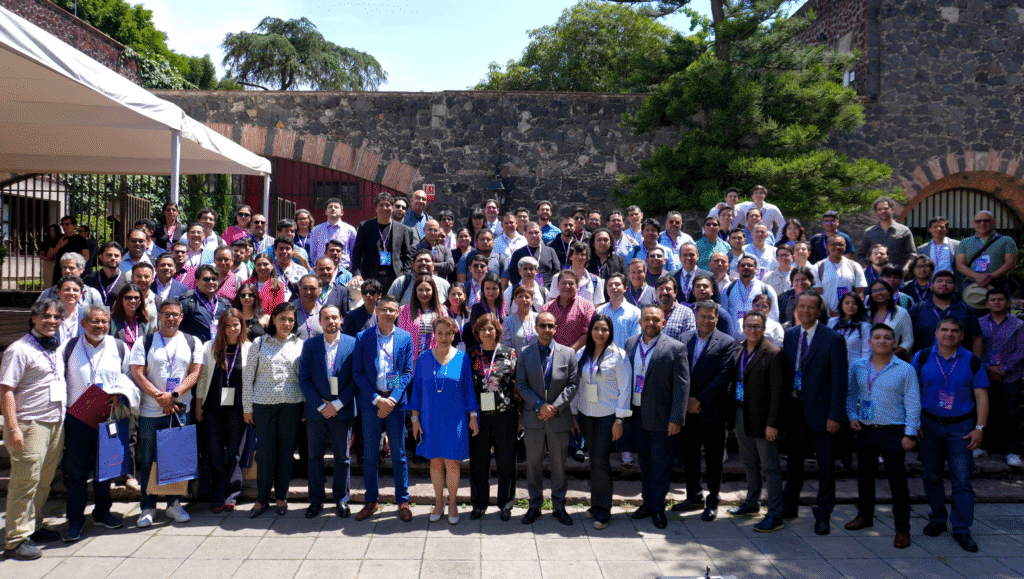
It presents a tutorial proposal that will lead participants of the theoretical foundations to their practical application. Share your experience and strengthen our community in IA.
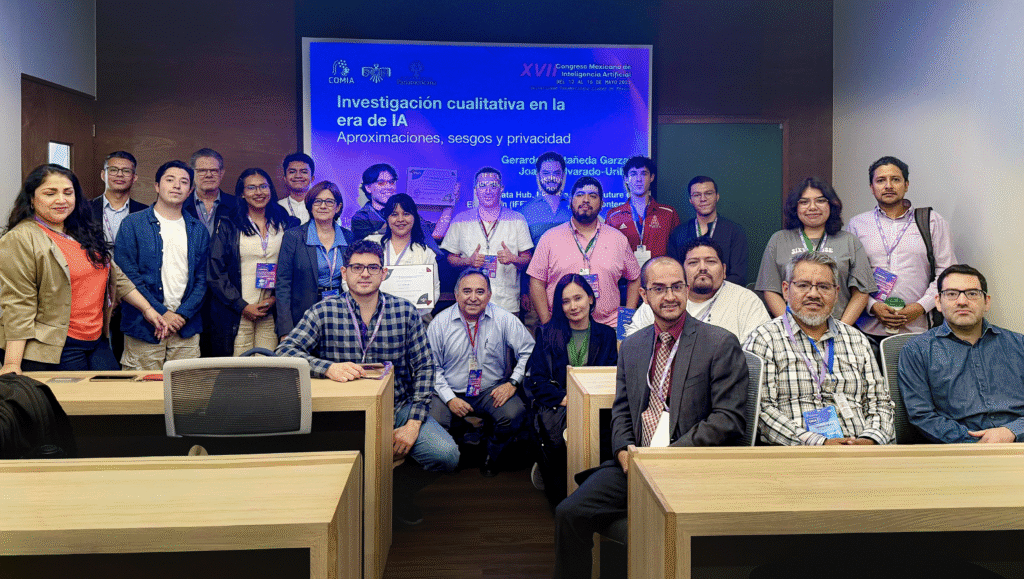
We call on IA specialists committed to scientific quality the evaluation process. It is part of the Committee of Revisers
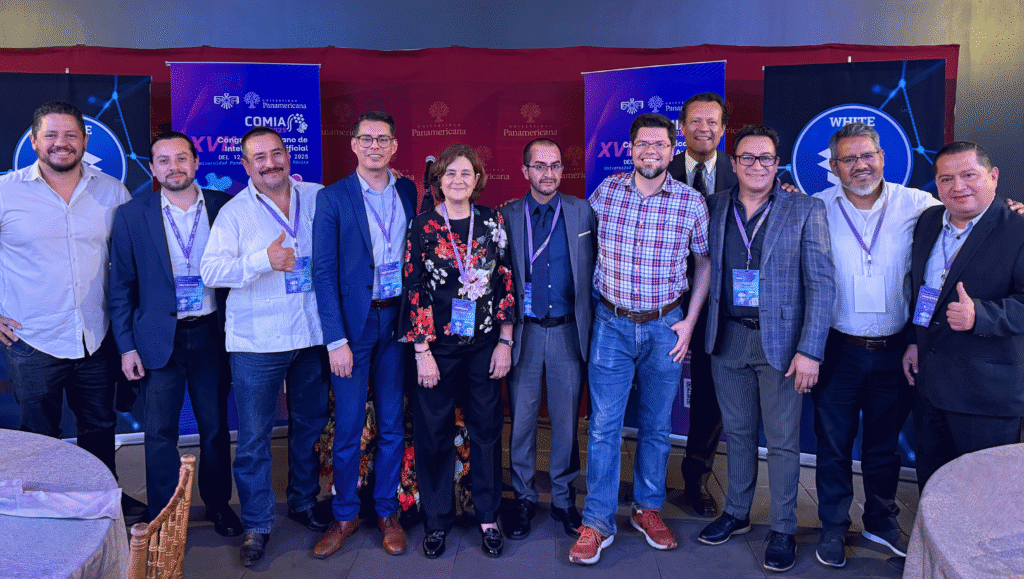
To volunteer in COMMITTEE 2026 It gives you the opportunity to do networking, strengthen your professional experience and be an active part of a community that promotes innovation in Artificial Intelligence.
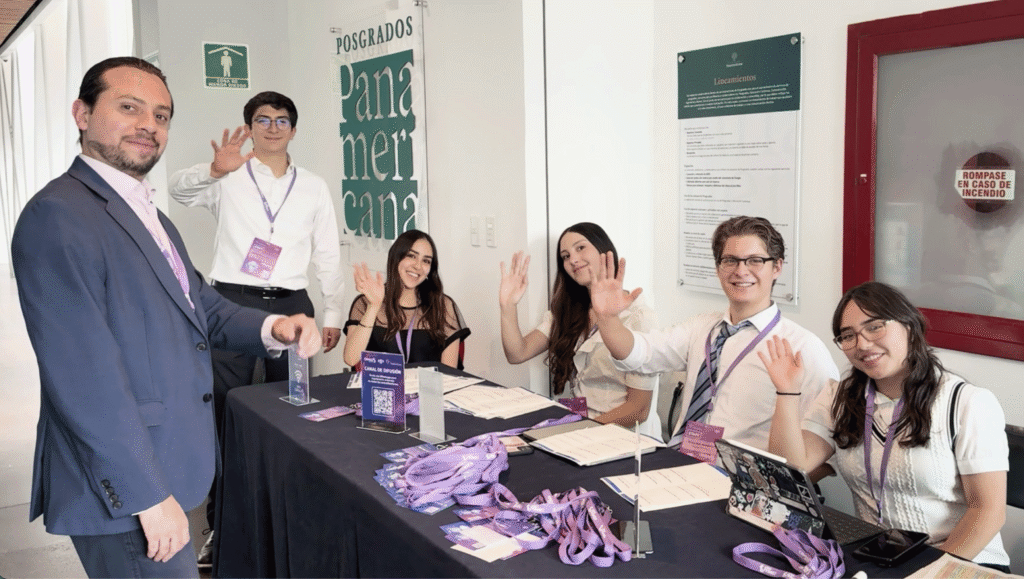
We are looking for contributions on smart applications that are generating real impact. You can participate with short articles of technical proposals or share your success.
Postulate as a host institution and together with the SMIA we celebrate the innovation and impact of the IA in Mexico.

The event will take place in Cuernavaca, Morelos. See the COMIA locations, how to get there and some accommodation options close to the event.


Initial date: Monday, 25 May 2026
Final date: Friday, May 29, 2026
Rate of Sunday to Friday: $1,550.00 pesos plus taxes
Rate of Saturday: $1,980.00 pesos plus taxes
Reservation 777 362 02 70 0 to 777 362 0276
The fee applies from Sunday 24 to Sunday 31 May 2026.
Explore the different types of registration and prices (in Mexican pesos). All costs include taxes and have a fee Early Bird available until 8 May, ideal to ensure your access to the Mexican Congress of Artificial Intelligence with preferential price.
| Type | Until 8-MayEarly Bird | After 8-MayRegular |
|---|---|---|
| SMIA Member | $ 750 | $ 1,250 |
| Professional | $ 1,500 | $ 2,000 |
| Students (not authors)* | 20% dto. | 15% dto. |
| Type | Until 8-MayEarly Bird | After 8-MayRegular |
|---|---|---|
| SMIA Member* | $ 5,000 | $ 6,000 |
| Regular | $ 6,500 | $ 7,500 |
*For an author, valid from June 2026
**The additional seats are extra cost.
The dinner quota is limited and subject to availability.
Registered persons will receive a confirmation mail within the next few days if they have obtained a place.
In case the capacity is completed, the additional records will automatically move to the waiting list. We appreciate your understanding.
| Type | Until 8-MayEarly Bird | After 8-MayRegular |
|---|---|---|
| SMIA Member | $ 750 | $ 1,250 |
| Regular | $ 1,500 | $ 2,000 |
*The additional seats are extra cost.
The dinner quota is limited and subject to availability.
Registered persons will receive a confirmation mail within the next few days if they have obtained a place.
In case the capacity is completed, the additional records will automatically move to the waiting list. We appreciate your understanding.
1 seat: Depleted*
Prices in Mexican pesos (MXN).
*Optional, extra per person. Subject to availability by limited capacity

President-General
Hiram Ponce | Pan American University
Programme Committee Chairmen:
Roberto Vazquez | La Salle University
Hugo Escalante | University of Texas at El Paso
Committee of Judicial Lecturers:
Gilberto Ochoa| Monterrey Technology
Bella Martínez | National Polytechnic Institute
Committee of Tutorials:
Joanna Alvarado | Monterrey Technology
Claudia González | Tijuana Institute of Technology
Panels Committee:
Miguel Gonzalez | Monterrey Technology,
Obdulia Pichardo| National Polytechnic Institute
Committee of Workshops with Industry:
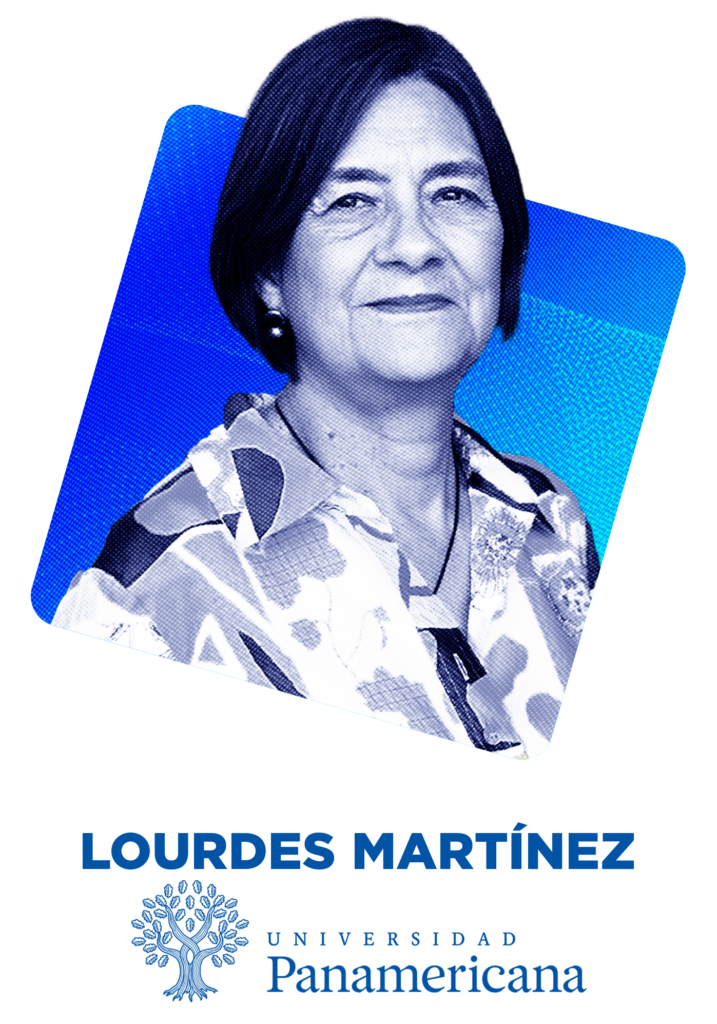
Lourdes Martínez | Pan American University
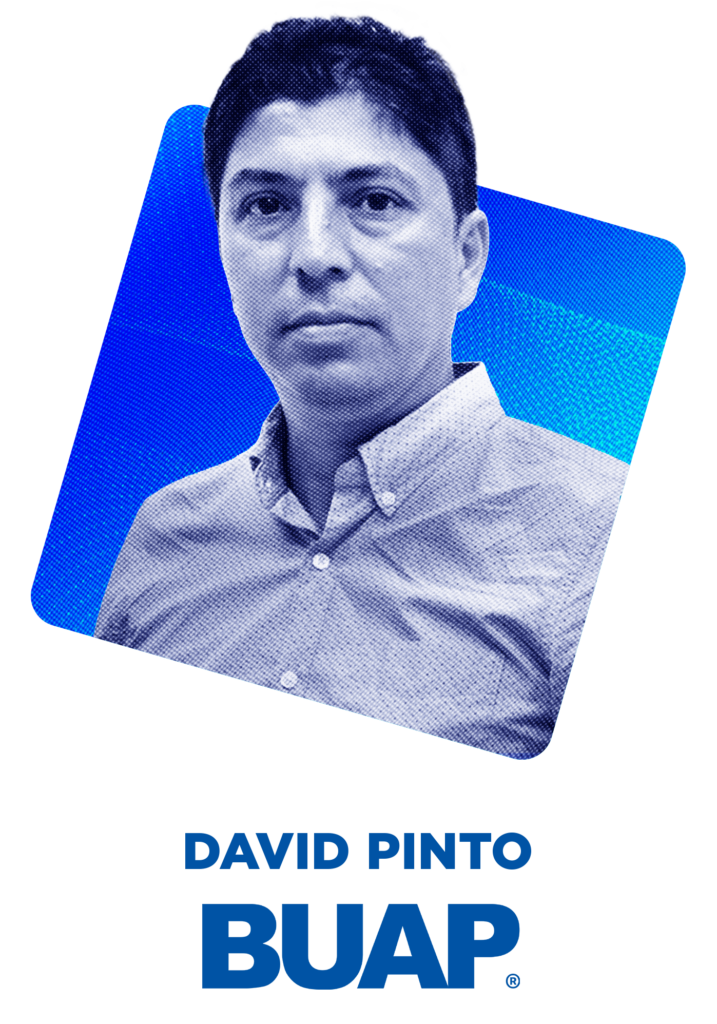
David Pinto | Benemérita Universidad Autónoma de Puebla
Committee on Activities:
Iris Mendez | Universidad Autónoma de Ciudad Juárez
Ari Barrera | Pan American University
Local Committee:
Alberto Hernández | Universidad Autónoma del Estado de Morelos (UAEM)
Gustavo Arroyo | INEEL
Fellowship and Volunteering Committee:
Ari Barrera | Pan American University
Omar Saldivar | Barbarians
Dissemination Committee:
Omar Saldivar | Barbarians
Luis Gerardo Téllez | Barbarians
Joshua Ruíz | CENIDET
Ivan Olvera | SAC Group
Noah Castro | CENIDET
Committee on Sponsorship:
Leobardo Morales | IBM Mexico
Ismael Medina | Databricks
Abdiel Reyes Vera
Alberto Aguilar
Alberto Espinosa
Alberto Ochoa-Zezatti
Alberto Alfonso Aguilar-Lasserre
Aldo Marquez-Grajales
Alejandro Rodriez- Sánchez
Alejandro Israel Barranco Gutiérrez
Alma Rosa Mena- Martinez
Alvaro Sánchez Márquez
Ana Laura Lezama- Sánchez
André Araújo
Andrea Magadan- Salazar
Andres Garcia Floriano
Andrés Espinal
Angel Sánchez García
Angel Vergara Betancourt
Angels Quezada
Angeles Belém Priego Sánchez
Angelica Guzmán
Anilu Franco
Antonio Marin Hernandez
Antonio Neme
Ari Barrera Animas
Armando Pérez Aguilar
Armando Levid Rodríguez Santiago
Arturo Zuñiga- Lopez
Asdrúbal López Chau
Atoany Fierro-Radilla
Beatriz Migulez- Beltrán
Bell Manrique Losada
Bella Martinez Six
Bernardo Corona Domínguez
Betania Hernandez- Ocaña
Brian Sarmina
Carlos Aguilar
Carlos Reyes
Carlos Saldaña
Carlos Lastre Domínguez
Carlos Manuel Ruano González
Carolina Del-Valle-Soto
Cecilia Reyes- Peña
Cecilia-Irene Loeza-Mejía
Cesar Macias
Cesar Puente Montejano
Caesar Jesus Núñez Prado
Cinthia Peraza Ramirez
Claudia Gómez
Claudia I. Gonzalez
Cosijopii Garcia
Daniel Canton- Enriquez
Daniel Gonzalez Arriaga
Daniel Sanchez-Ruiz
Daniela Alejandra Ochoa
Dante Mújica-Vargas
David Pinto
David Tinico-Varela
Diana Jacobo
Diana Aurora Cruz
Diana-Margarita Cordova-Esparza
Diego Uribe
Eddie Clemente
Eddy Sanchez- Delacruz
Edgar Avalos Gauna
Edmundo Bonilla
Eduardo Espinosa-Avila
Eduardo Valdez
Efrén Mezura-Montes
Elisabetta Crescio
Eloisa Garcia- Canseca
Elva Lilia Reynoso Jardon
Emmanuel Santos Rodriguez
Erik Carbajal- Degante
Ernesto Moya-Albor
German Hope - Aguilar
Esther Vargas
Federico Alonso Pecina
Felix Castro Espinoza
Fernando Elizalde-Ramírez
Fernando Camarena
Fernando Gudino
Fevrier Valdez
Francisco Lopez Orozco
Gabriel Aguilera
Gabriel Lincollez- Serna
Gabriela Ramirez-De-La-Rosa
Garibaldi Pineda Garcia
Gemma Bel Enguix
Gerardo Altamirano - Gomez
Gerardo Laguna- Sanchez
German Preciat
Gilberto Rivera
Gildardo Sanchez-ante
Giner Alor-Hernandez
Grissel Rodríguez Roldán
Guadalupe Carmona Arroyo
Guillermo De Los Santos
Guillermo Santamaria- Bonfil
Gustavo Arroyo
Hansel Lázaro Valdés Pérez
Hector Maravillo Gómez
Hipólito Aguilar Sierra
Hiram Calvo
Hiram Ponce
Hugo Jimenez
Hugo Jair Escalante
Humberto Sossa
Iclia Villordo - Jimenez
Iraqi Jose- Guzman
Iris Iddaly Méndez- Gurrola
Irvin Hussein Lopez-Nava
Isaac Machorro Cano
Isidro Gómez Vargas
Ismael Osuna-Galan
Israel Tabarez
Ivan Vladimir Meza Ruiz
Ivette Miramontes
Izlian Orea Flores
J Guadalupe Ramos Díaz
J. Carlos Urteaga Reyesvera
J. Octavio Gutierrez-Garcia
J.-Martin Castro-Manzano
Jacobo Sandoval-Gutierrez
Jaime Cerda
Javad Khodadoust
Javier Ortiz-Hernandez
Jeremy Horne
Jesus Solano Noriega
Jesus Garzia- Ramirez
Jesus Pérez-Gómez
Jhar Kharen Ruiz
Joanna Alvarado Uribe
Jonathan Rojas- Simon
Jorge Ciprián-Sánchez
Jorge De La Calleja
Jorge Hermosillo Valadez
Jorge Reyes- Magagna
Jorge Perez Ramos
Jorge Armando Ramirez Diaz
Jorge Isaac Chairez Oria
Jose Cruz Mora
Jose Alanis
Jose Sosa
José A. Reyes-Ortiz
Jose Alberto Hernandez- Aguilar
Jose Antonio Leon Borges
Jose Carlos Rodriguez Tenorio
José Carlos Ortiz-Bayliss
Jose Luis Ópez- Ramírez
José Luis Hernández González
José Manuel Gámez
Jose Sergio Ruiz Castilla
Jose- Agustin Almaraz- Damian
Jose-Federico Ramirez-Cruz
Joshua Padilla- caves
Juan Acosta
Juan Martinez nez- Miranda
Juan Velasco - Reyes
Juan Yañez
Juan Villegas- Cortez
Juan Carlos Conde Ramírez
Juan Carlos Olivares Rojas
Juan M Fortuna - Cervantes
Juan Moses Arredondo Velázquez
Juan Paulo Sánchez Hernández
Juana Canul-Reich
Julia Melo Morín
Julio Galván
Karina Figueroa Mora
Karla Valencia
Katya Rodriguez-Vazquez
Kay García Sánchez
Lazaro Bustio
Leandro Pazmiño Ortiz
Leonardo Glasserman- Morales
Leopold Altamirano Robles
Leticia Flores Polido
Liliana Barbosa-Santillan
Lorena Diaz Gonzalez
Lourdes Martinez- Villaseñor
Luis Arellano
Luis Guarneros- Nolasco
Luis Luevano
Luis Torres- Treviño
Luz Hernandez- Felipe
Manuel Uche Soria
Marco Aurelio Sotelo Figueroa
Maria Ayuda Medina Nieto
Maria De La Concepción Pérez De Celis Herrero
María Lucia Barron Estrada
Maria Luisa Davila Garcia
Maricela Quintana
Mario Rossainz López
Martha Polished
Martin Montes Rivera
Martín Contreras
Mauricio Gonzalez- Soto
Mauricio Arturo Ibarra Corona
Mayra Hernándezoramas
Meliza Contreras González
Miguel Gonzalez- Mendoza
Miguel Hidalgo- Reyes
Miguel Mora- Gonzalez
Miguel Sanchez-Brito
Miguel Soto
Miguel Alberto Domínguez Gurría
Miguel Angel López Pérez
Miguel Angel Rios Gaona
Mireya Tovar Vidal
Miroslava Cano
Mónica Acosta Montes De Oca
Nelson Rangel Valdez
Néstor Leyva López
Nicasio Hernández Flores
Noé-Alejandro Castro-Sánchez
Noel E. Rodribez- Maya
Obdolia Pichardo - Lagunas
Octavio González
Omar Piña-Ramirez
Omar Đani López Orozco
Omar- Arturo Domínguez- Ramírez
Oscar-Bosquez
Pablo Pancardo
Pablo Sánchez Xs
Patricia Batres
Pedro Bello López
Rafael Guzman- Cabrera
Rafael Rojas
Rafael Salas Zarate
Raghavender Puchhakayala
Ramon Brena
Ramón Zatarain Cabada
Ramón Ivan Barraza-Castillo
Raquel Diaz-Hernandez
Rasikh Tariq
Raul Jimenez Cruz
Raul Velasquez Ortiz
Raúl Monroy Borja
René García Reyes
Ricardo Calderon
Roberto Ruiz
Roberto Melendez- Armenta
Roberto Antonio Vazquez
Rocio Ochoa-Montiel
Rodolfo Eleazar Pérez Loaiza
Rodrigo Villalvazo- Covián
Rosa Orrega - Mendoza
Rosa María Valdosos
Sabino Miranda
Said Polish-Martagon
Saiph Savage
Salvador Hinojosa
Samuel Viñas
Sara Edith Pinzón Pineda
Saturnino Job Morales
Saúl Zapotecas- Martínez
Selene Ramirez- Rosales
Selene Ramirez Rosales
Sofia Galicia Haro
Sravan Kumar Vazrapu
Susana De León
Tania Ramirez-Delreal
Teth Azrael Cortes Aguilar
Valeria Maeda-Gutiérrez
Veronica Neri-Mendoza
Veronica Rodríguez López
Vicente Garcia Jimenez
Victor Arias Pilgrim
Victor Lomas- Barrie
Victor Pacheco - Valencia
Victor Ruiz
Victor Maldonado Benitez
Victor Manuel Bátiz Beltrán
Vidblain Amaro Ortega
Virginia Lagunes Barradas
Yaxk 'In Coronado
Yenny Killings King
Yesenia Gonzalez- Navarro
Yessica Calderon Segura
Yoqsan Angeles
Moderators:
Claudia I. González
Galo Ruiz
Gustavo Arroyo Figueroa
Guillermo Escobedo Briones
José Alberto Hernández Aguilar
Joshua Ruiz Martínez
Lourdes Martinez Villaseñor
Miguel González Mendoza
Nadia Lara
Noah Alejandro Castro
Omar García Gallardo
Pedro Moreno
Roberto A. Vazquez
Sara Edith Pinzón Pineda
Ulises Cruz Jacobo
Yaxkin Coronado
Volunteers:
Abraham Said Gutierrez Lazaro
Adrián Landa Buendía
Alicia Gisell Arroyo Nuño
Alondra Valeria Olvera Martinez
Ángel Antonio Hernández González
Angel Lazaro Ocampo
Alexis Emmanuel Augar Morales
Dante Alexander Jiménez Rivas
Francisco Aquino Flores
Gerardo Manuel Bustos Preciado
Ivan Osiel Alvavera Figueroa
José Alfredo Benítez Arroyo
José Luis Gamez Franco
Juan Pablo Robles Torres
Kailem Mariana Rosas Román
Kevin Ramses Campusano Díaz
Kore Salinas Trejo
Leyanet Beatriz Alvarez Herrera
Liana Leiva Romero
Maria Luisa Moyao López
Nohema Pérez Spain
Samuel Alejandro Torrez Oropeza
Santiago González Chávez
Sara Edith Pinzón Pineda
Sergio Rubén Ocampo Pérez
Victor Manuel Domínguez Lara
Victor Uriel Ocampo Pérez
Yaudiel Rafael Mendoza Martínez
Yessenia Díaz Álvarez
Yessica Gabriela Aragón Díaz